


Communication in Food Production — And Why It Matters Everywhere 🗣️
Why Communication Matters
Communication is one of the most important parts of any workplace. It shapes how teams work together, how problems are solved,
and how smoothly the day runs. When communication is clear, work feels organised and manageable. When it breaks down, even
simple tasks can become complicated.
Fast-Paced Environments Need Clarity 🔧
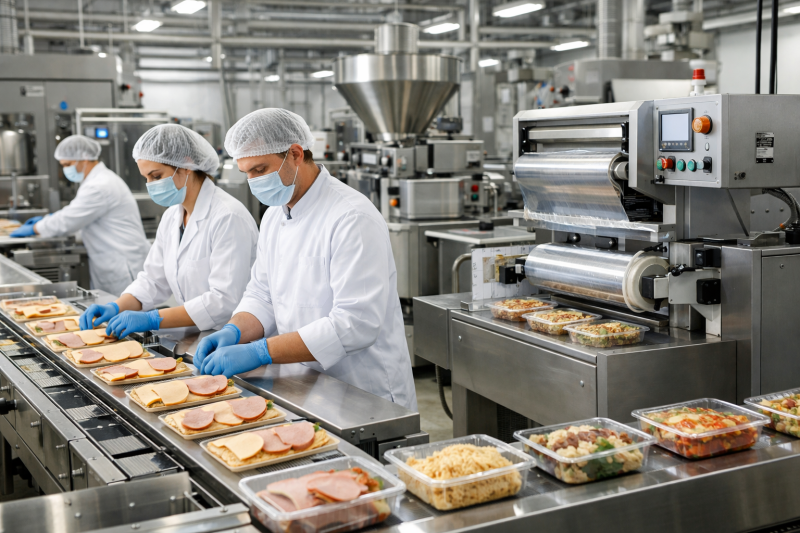
After seven years working in food production, I’ve seen how communication becomes part of the rhythm of the day. Food production
is fast paced, with machines running, products moving, and people working side by side. There isn’t much time to pause,
so information often needs to be shared quickly and clearly.
Small Changes, Big Impact
On a production line, small changes can create big effects. A machine might need adjusting, a product might need checking,
or a process might need to stop for a moment. If these things aren’t communicated, people can be left guessing. Real-time
communication 🗣️ helps prevent mistakes and keeps the line running smoothly.
The Power of Quick Updates 💬
Sometimes communication is as simple as a quick update: “Hold the line,” “Check that tray,” or “We’re switching product.”
These small moments can save time, reduce waste, and keep everyone aligned. They might seem minor, but they’re part of
what keeps the workplace safe and efficient.
Different Ways to Communicate 📋
Workplaces use different methods to communicate. In food production, verbal communication is often the fastest. Whiteboards
help track changes, targets, or reminders. Digital tools like emails or messaging systems help teams stay connected across
shifts or departments. Every workplace finds its own mix, but the goal is always the same — making sure the right information
reaches the right people at the right time.
Communication Isn’t Always Perfect 🤝
Workplaces can be noisy, busy, or distracting. People focus on their own tasks, and sometimes information doesn’t reach
everyone it needs to. Even then, the intention to communicate still matters. A quick heads-up, a reminder, or a simple
check-in can make someone’s job easier and prevent small issues from becoming bigger ones.
Lessons That Apply Everywhere
What’s interesting is that the lessons from food production apply everywhere. Whether you work in retail, hospitality,
offices, trades, warehouses, or any other industry, communication is the thread that keeps everything connected. It supports
teamwork, safety, quality, and trust.
Communication Drives Improvement 🔄
Communication also plays a huge role in continuous improvement. When people share ideas, raise concerns, or talk about
what could be better, workplaces grow. Improvements often start with a conversation — someone noticing something, mentioning
it, and sparking a change.
A Simple Way We Support Each Other 🌟
At its core, communication is one of the simplest ways we support each other at work. It helps keep tasks safe, organised,
and achievable. Whether it’s on a food production line or in any other workplace, taking a moment to communicate can be a
quiet but powerful part of a better working day.
For more reflections on workplace development, you can read my Continuous Improvements in the Workplace blog, which sits in the same Workplace Wisdom category.
You can also visit the main Workplace Wisdom Blogs page to see more posts like this.
Disclaimer: This blog shares general reflections based on personal experience. Every workplace is different, but clear communication is a universal skill that supports teamwork and smooth operations.
Add comment
Comments