


How to Cook Creatively Without Overspending
This blog shares practical, real-life ideas for cooking creatively, reducing waste, and making food go further without needing to stretch every pound.
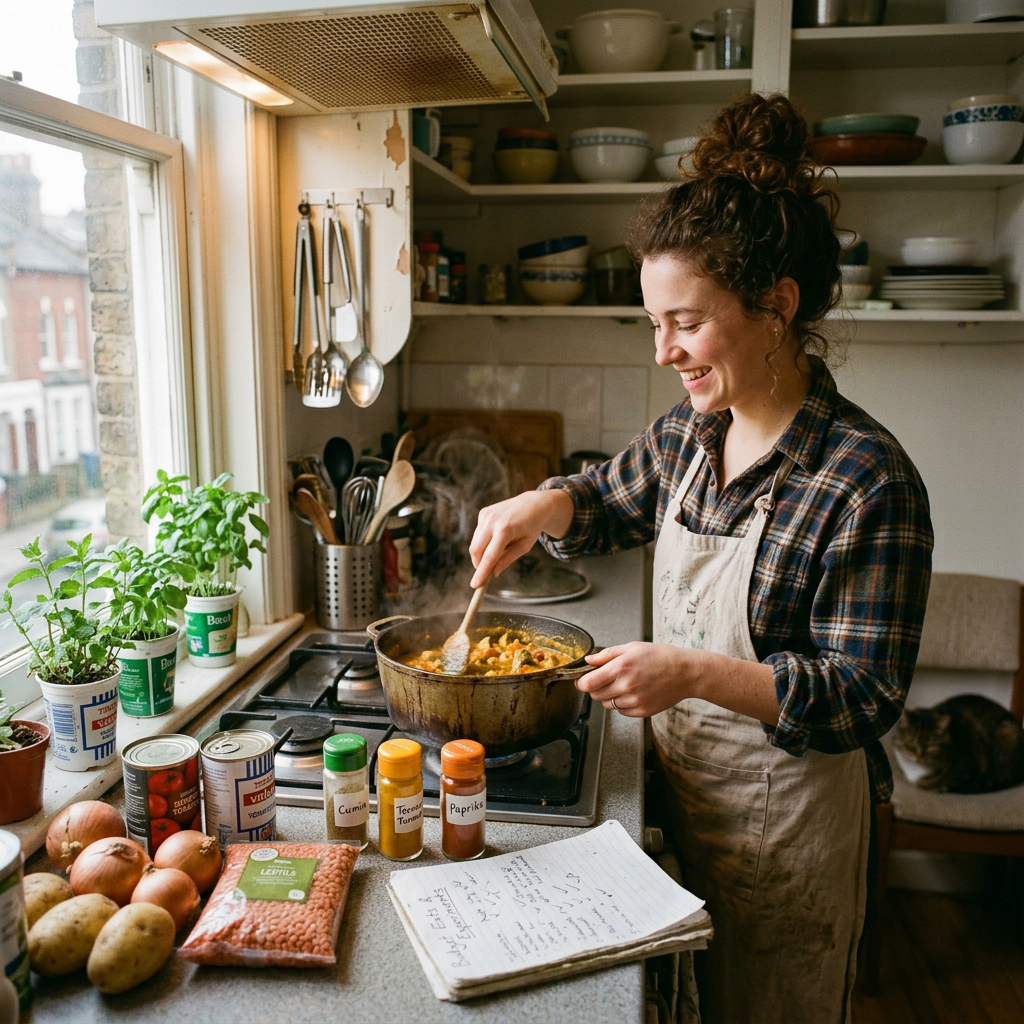
Cooking creatively isn’t just for people on a tight budget. Even when we’re not counting every penny, it still makes sense to use the food we buy with care. Minimising waste helps us save money, reduce unnecessary spending, and make the most of every ingredient. Creative cooking is about being thoughtful, organised, and intentional — not restrictive. 🍲
If you enjoy real-life cooking ideas, you might also like my Food & Drink Blogs, where I share simple recipes and everyday kitchen tips.
Start With a Simple Plan
The first step — where possible — is to have a budget in mind. It doesn’t need to be strict. Just a rough idea of what you want to spend each week helps guide your choices and prevents impulse buying. A small plan can make a big difference. 📝
Once you have a budget, planning your meals becomes much easier. Batch cooking is one of the best ways to save money, time, and utilities. Using a slow cooker allows you to make large portions with minimal energy usage. Stews, curries, soups, and pasta sauces all work brilliantly.
Cooking sauces is especially useful because you can freeze them in portions and use them later for quick meals — like a simple pasta dish on a busy evening. 🍝
Blanching vegetables is another great technique. It saves time, reduces food loss, and keeps vegetables fresher for longer. Carrots, broccoli, cauliflower, and leafy greens can all be blanched and frozen.
Use What You Have — Reduce Waste
Even if you’re not on a budget, reducing waste is still important. Every ingredient we buy has value, and using it fully helps minimise unnecessary spending. Frozen vegetables are brilliant for this. Frozen mushrooms, peppers, onions, and mixed veg are always ready to use and reduce the chance of wasting fresh produce. 🥕
Planning meals around what you already have in your fridge or freezer is one of the easiest ways to cook creatively. If you’re boiling eggs, for example, you can use the same boiling water to cook vegetables or pasta afterwards. Small habits like this save utilities and make cooking more efficient.
There is so much we can do if we plan ahead. Creative cooking isn’t about cutting back — it’s about being smart with what we have.
Buy Smart — Special Offers Can Help
Creative spending also means keeping an eye out for special offers. Buying bread, proteins, or everyday essentials when they’re reduced can save money later in the week or month. 🛒
For example, picking up reduced chicken, mince, or sausages and freezing them gives you flexibility. You can use them when you want to spend a little less or when you’re planning meals ahead of time.
Bread is another great example. Reduced loaves, rolls, or wraps freeze perfectly and can be used for toast, sandwiches, garlic bread, or stuffing mixes. This helps avoid waste and keeps your kitchen stocked without overspending.
Buying smart doesn’t mean buying more — it means buying with intention. A few thoughtful choices can make your weekly food plan feel easier and more affordable. 💡
Explore More Creative Cooking
If you enjoy homemade recipes, you can explore my Family Favourites cookbook page, where I’m building a collection of comforting, real-life dishes.
And if you want to explore new skills or ideas in the kitchen, you can visit my Try Something New page — a simple way to discover new things without overspending.
FAQ
Q: Do I need to be on a budget to cook creatively?
A: No. Creative cooking is about reducing waste, planning ahead, and making the most of what you buy — whether you’re budgeting or not.
Q: What’s the easiest way to start cooking creatively?
A: Begin with simple planning. Choose a few meals for the week, batch cook where possible, and use frozen vegetables to reduce waste.
Q: Does batch cooking really save money?
A: Yes. It reduces utilities, saves time, and helps you avoid buying extra ingredients throughout the week.
Q: Why is reducing food waste important?
A: It saves money, reduces environmental impact, and helps you get the most out of every ingredient you buy.
Add comment
Comments